

Our Mission in Action
Since 1913, The Rockefeller Foundation and its partners have made big bets to break down barriers to progress and improve billions of lives with advances in public health, food, energy, and finance. Here are our stories:
- CURRENT ISSUE: MATTER OF IMPACT
Sheroes of Sustainability at the Forefront of Climate Action

The quarter's online magazine centers on women across the globe making headway in the climate crisis fight.

- Matter of ImpactClimate Wisdom from the Frontlines
 From the Amazon rainforest, to bustling Bangkok streets, to a Baltimore composter creating “black gold," dive into this quarter's Matter of Impact focused on youth changemakers and impacted communities.
 - Matter of ImpactUnleashing Climate Innovation Through Powerful Partnerships We turn to potent collaborations to think outside the box and drive change in this era of climate decision.
- Matter of ImpactAchieving Lasting Impact Every day, The Rockefeller Foundation, grantees, and partners make the world measurably and sustainably healthier, more nourished, and empowered. See how.
Committed Grants Explore our current and past funding priorities aimed at fostering and enhancing human potential. Focus Areas From energy, food, health, and innovation, investigate our current global efforts. Reports We believe in metrics, not only to celebrate successes, but to find ways to do better. Read our reports.
Historical Impact & Contributions
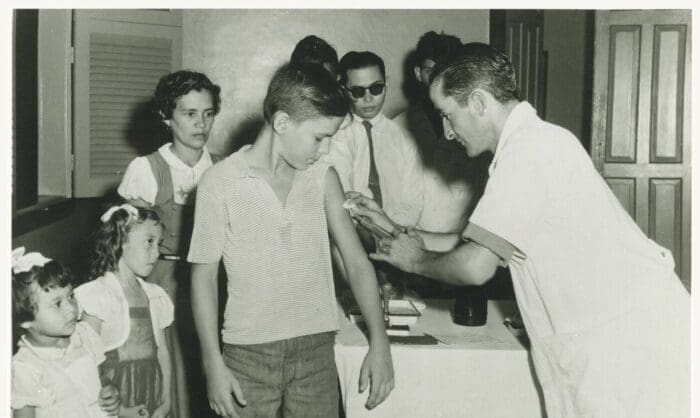
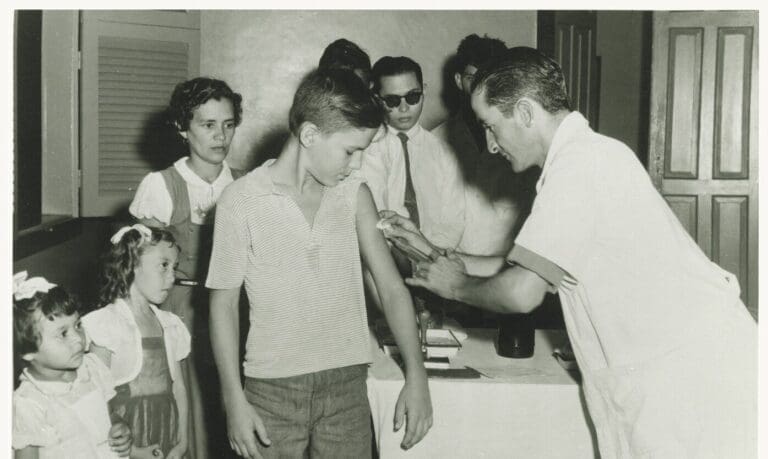
From our initial grant to the American Red Cross a century ago, The Rockefeller Foundation’s history is marked by bold initiatives, breakthroughs, and unique partnerships, driving transformative change over the past 110 years.


Recent News
- Apr 19 2024Energy Transition Accelerator Advances With New Secretariat, Expert Consultative Group
- Apr 18 2024Rockefeller Foundation Joins Mayor Adams and Cross-Sector Partnership To Reduce Food-Related Carbon Emissions
- Apr 17 2024National University of Singapore’s IES, The Rockefeller Foundation Advance Renewable Energy Connectivity in Southeast Asia