back

Philanthropy

A Conversation About the State of Philanthropy
August 22, 2007; The Charlie Rose Show
PBS: Transcript

CHARLIE ROSE: Joel Klein, chancellor of the schools for the city of New York. He`s a man with a huge responsibility, a chance to change the next generation.

Philanthropic foundations have used private wealth to promote well- being for more than a century. Today, giving is greater than ever. However, the challenges of poverty and global health are unending. Joining me now is Joel Fleishman, the author of "The Foundation: A Great American Secret." He is a former president of Atlantic Philanthropies. He is currently a professor at Duke University.

Also joining me, Judith Rodin, president of the Rockefeller Foundation. And Matthew Bishop; he is the chief business writer for "The Economist," an expert on global philanthropy. I am pleased to have all three of them at this table. Just have you -- because you wrote the book -- elaborate for me on the status of philanthropy in America today.

JOEL FLEISHMAN: The status of philanthropy in America today is greater than it`s ever been. Americans give away -- gave away last year something like $300 billion. And of that $300 billion, foundations itself gave away something like $40 billion. It`s the only pool of unrestricted money that`s available to start organizations, to nourish organizations, to facilitate social movements of one sort or another.

CHARLIE ROSE: Is it fair to say that America is, Matthew, more philanthropic than any other country, for the most part?

MATTHEW BISHOP: It has a more philanthropic tradition, and giving at a higher level. But I think what`s happening now is the whole world is catching on to what`s been happening in America for the past century, because governments are finding themselves unable to cope, and people are getting richer, and they want to give. But America is still ahead.

CHARLIE ROSE: Tell me how you, sitting as chairman of the Rockefeller Foundation, how do you measure success?

Dr. Judith Rodin on the Charlie Rose program

JUDITH RODIN: Well, we measure success by looking at impact. That is, if you define your problem properly, then you can ask yourself in a really sensible way, have we made a difference? Have the beneficiaries been affected? Have lives...

CHARLIE ROSE: But is that always easy to tell?

JUDITH RODIN: No, but that doesn`t mean you can`t do it. You have to define intermediate goals. And if you set a long-term goal -- I want to cure poverty -- then you can never determine whether you`ve had impact. But if you set the kinds of goals that really are measurable and you measure along the way, not only can you tell if you`ve had impact, but you can make midcourse corrections, and that`s something, I think, as Joel has said in his book, philanthropy doesn`t do enough of. You know, this isn`t some controlled clinical trial where you don`t figure out until the end whether it worked or not. Philanthropy is an art as well as a science. And so you have got to test, assess the impact, make midcourse corrections, and figure out how to move on.

CHARLIE ROSE: This is a different kind of point, but I know a lot of people who tell me it`s a lot easier to make money than give it away.

JUDITH RODIN: It`s very hard to give it away well.

CHARLIE ROSE: You want to have what impact on foundations? You hope this book does what?

JOEL FLEISHMAN: I hope that this book will enable foundations to realize that they need to open up themselves, so that they get ideas from outside, criticisms from outside. The problem is that foundations really aren`t accountable to anybody, except their own boards. That`s a great benefit, because it frees foundations to do all sorts of imaginative things. The problem is, that if you don`t have the input from outside, the so-called market forces, coming to work on foundations, it means that foundations aren`t really performing as well as they really could if they had somebody looking over their shoulder from the outside -- not government, not any kinds of regulatory structures, but people who know the business and who have access to what they`re doing -- their documents, their evaluation reports of one sort or another. If the people on the outside don`t know what foundations are doing, then how can people on the outside both help them do better and build on what they`re doing?

CHARLIE ROSE: But you say people on the outside, who are we talking about?

JOEL FLEISHMAN: We`re talking about the nonprofit sector. We`re talking about people in other foundations. And one of the things that I discovered -- and I think Judy can confirm it -- is that foundations don`t share their evaluative documents with other foundation with whom they`re partnering. So that, you know...

CHARLIE ROSE: When you say evaluative documents, are you talking about documents that have to do with the question I asked you, which is how well is your money going?

JOEL FLEISHMAN: Yes.

CHARLIE ROSE: Being spent.

JOEL FLEISHMAN: Yes.

CHARLIE ROSE: What is the performance of the place where you spent your money.

JOEL FLEISHMAN: Exactly. That is correct. And so, what I would like to see happen, I would like to see foundations open up a bit. Open the windows. Open the doors. Give -- talk about their mistakes, which they don`t, which they`re just starting to do.

CHARLIE ROSE: Do you have a problem with this?

JUDITH RODIN: Oh, not at all. I think -- I`ve only been there two years, so maybe it`s easy for me to say and when I came...

CHARLIE ROSE: And you came from being a president of a university, so.

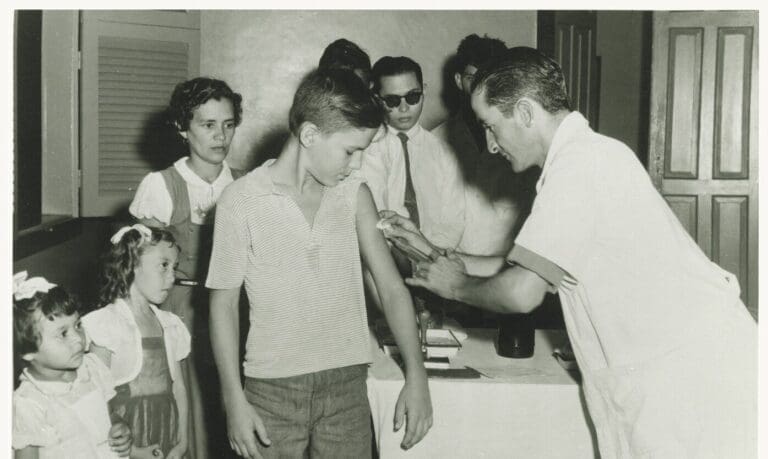
JUDITH RODIN: Right. And, obviously, I was a recipient. So I look to the foundations as a source of revenue, and I wanted to be accountable to them. Foundations, as Joel said, are rarely accountable to anyone else, except there really is -- they`re staffed with wonderful, good-hearted people, who really want to do the right thing. So lack of accountability in terms of impact is different than saying there`s fraud or misdeeds, or whatever. And I think that it`s really important. When John D. Rockefeller started the Rockefeller Foundation 100 years ago, and Andrew Carnegie started the Carnegie Foundation, they had real visions of what impact looked like. They wanted to cure hookworm in the South, they wanted to find a vaccine for yellow fever...

CHARLIE ROSE: River blindness and all those things.

JUDITH RODIN: River blindness. You know, starting... (CROSSTALK)

CHARLIE ROSE: Green revolution.

JUDITH RODIN: ... public health. The green revolution -- you know, when Henry Wallace comes back as vice president and calls the president of the Rockefeller Foundation rather than the U.S. government and says, how can we help the Mexicans, they`re starving? It really shows you the role, the potential role for foundations.

CHARLIE ROSE: I bet you Bill Gates gets those phone calls all the time.

JUDITH RODIN: All the time.

CHARLIE ROSE: Wouldn`t you think?

JOEL FLEISHMAN: Yes.

CHARLIE ROSE: Especially within the global health issues.

JUDITH RODIN: Yes.

CHARLIE ROSE: Yes.

JUDITH RODIN: And that`s a wonderful role for foundations to fill. They`re not replacing government, but they`re venture capital in the philanthropic sector. They`re really doing pilots and doing imaginative things and really wanting to do well by doing good.

CHARLIE ROSE: We need more transparency, you think?

MATTHEW BISHOP: Much more transparency, but also much more of a public debate about the role that these very rich people are now playing in society.

CHARLIE ROSE: Is there any negative role at all?

MATTHEW BISHOP: Yes, I mean, if you look...

CHARLIE ROSE: Or whether it`s just a balance as to whether they could be doing better?

MATTHEW BISHOP: Well, I think the history of philanthropy shows a lot of money has been wasted, and also that people don`t think through the second and third round effects of what they`re doing. So they come in from business. They found it very easy to make a lot of money, and they think they can just solve all these complex problems just like that, by throwing money at the problem, or coming in with what they think is a new idea. And it turns out they create all these knock-on (ph) effects on the ground, so they give a lot of money to one part of the medical system in Africa, and all the doctors leave general care to go and focus on, say, dealing with HIV/AIDS, which is obviously a very big problem, but maybe not quite as important as providing general health care. So I think there`s a tendency to think you know everything when you come into the sector, and in fact you don`t.

CHARLIE ROSE: There is also this other ongoing debate with respect to foundations, and the Gates Foundation -- Bill Gates and Melinda Gates have talked about it at this table -- it is the idea that you have to choose between sort of things that will pay off later down the road versus where a lot of people want you to make an instant impact. You must face the same thing.

JUDITH RODIN: All the time, and one of the challenges -- and Matthew alluded to it -- of some of the new philanthropists -- not the Gates`, actually -- is that they want a problem that they can solve now. That`s what they did in business. They see a structure, they want a horizon that`s reachable in a very short period of time. And these are very long- term problems. Again, you should set short-term goals. There are things you really can accomplish. The Gates, we`re collaborating with the Gates on the American green revolution.

CHARLIE ROSE: Right.

JUDITH RODIN: We have five-year goals. We know how many seed varieties, how many people we want to lift out of hunger, how many new business we want to start. Those are real goals that you can achieve in five years, but you can`t cure all of Africa`s food problems in five years.

CHARLIE ROSE: What else do you want, other than transparency, to make them better?

JOEL FLEISHMAN: I want foundations to -- to be more carefully watched, essentially, by the governmental apparatus. Judy and I have talked about this before, and I think she disagrees with me on that subject. We don`t have adequate oversight of the whole nonprofit sector. The IRS admits that it can`t begin to monitor even 1 percent of the 990 forms that are turned in. It doesn`t have enough people. There really is at this point...

CHARLIE ROSE: But this is about how they`re treated from a tax standpoint?

JOEL FLEISHMAN: It`s how they`re treated from a tax standpoint, it`s how they`re treated in terms of -- not just the taxation, but also with respect to the kinds of things foundations can do and cannot do. There are rules about what foundations can -- how much they can pay, how much they can -- how much they have to pay out every year. And there`s no -- there really isn`t any effective oversight at the governmental level, not just for foundations but for the whole nonprofit sector.

CHARLIE ROSE: Would you change the rules in terms of how much they have to give out each year?

JOEL FLEISHMAN: I wouldn`t, because I think that we -- on the basis of the research that`s been done, if you want foundations -- if you believe that some foundation should be around for perpetuity, the studies show that you can`t give away more than 6 percent and maintain purchasing power over a long period of time. So I don`t want to see them pay out more. So I don`t want to get near that. Because I do believe that perpetual foundations have an important role to play, for some of the reasons that Judy advanced. So I would like -- but I would like definitely to see more effective oversight of nonprofit organizations, of which foundations are a very important part.

CHARLIE ROSE: OK, but I come back to oversight -- by whom?

JOEL FLEISHMAN: You have one system that oversees foundations and all the other nonprofits. We have got 2 million nonprofits in this country. We have got 73,000 foundations. But it`s the same mechanism with a different sort of regimen for foundations than for the others. But the oversight mechanism is broken in my view.

CHARLIE ROSE: So what do you disagree with?

JUDITH RODIN: I disagree that federal regulatory oversight is the answer for this kind of sector. First of all, aside from a few notable cases, we`re not talking about outright fraud or breaking the law. We`re talking about whether they are sufficiently accountable in the sense of having as much impact as one would hope given that these are tax-free dollars. And there are all sorts of other mechanisms.

CHARLIE ROSE: Globalization. What impact on philanthropy?

MATTHEW BISHOP: Well, I think first of all, it`s producing a lot of extremely rich people. And we`ve now got, what, 950 billionaires worldwide, of which a good... (CROSSTALK)

CHARLIE ROSE: ... the world`s richest man.

MATTHEW BISHOP: Indeed, he`s already pledging to give away money. Now, I think, you know, what constitutes being a good billionaire is very much being debated at the moment, but it seems like philanthropy is part of what you have to do to be able to survive the political scrutiny that you`re going to get as a billionaire.

CHARLIE ROSE: Gates and Buffett helped that fact. Did they not?

MATTHEW BISHOP: Absolutely.

CHARLIE ROSE: The Rockefeller Foundation was there for a long, long time.

JUDITH RODIN: Right. CHARLIE ROSE: It was the paragon of a great foundation.

JOEL FLEISHMAN: That and the Carnegie Corporation.

CHARLIE ROSE: And Carnegie, right.

JOEL FLEISHMAN: John D. Rockefeller said he learned everything he knew about philanthropy from Andrew Carnegie.

JUDITH RODIN: But they were trying to save themselves from bad P.R. at an earlier time. So I think that...

CHARLIE ROSE: Using philanthropy to save themselves from bad P.R. But you`re not saying they need to save themselves from bad PR. You`re just saying they`re sort of -- now, if you have billions of dollars, you know, people -- your friends and others expect you to be a major philanthropic person.

MATTHEW BISHOP: Yeah, I was with a group of billionaires the other weekend, which is not my normal hangout, but that`s where I was, and they were all saying, well, what is Steve Schwartzman going to do? He`s made $14 billion from Blackstone. His image is horrible. And they clearly felt that he had to do something big to earn their respect, and they were his peers in America. Now, globally, if you`re a Russian billionaire, you probably made your money by, you know, sort of effectively stealing the wealth from the -- your populace, and so at the very least, you`re going to need to do to to avoid being pursued by Putin and his cronies, is to start giving away a lot of money in Russia. So some of this is very self-serving. But others, I think ... they love it.

CHARLIE ROSE: Your recommendation to Khodorkovsky and those guys is to -- those oligarchs who escaped from Russia, to give away a lot of your fortune and he`ll forgive?

MATTHEW BISHOP: Well, at least he may not poison you, I guess. But anyway, the very... (LAUGHTER) At the very least, though, seriously, I mean, they are -- this is becoming, you know -- if you`ve -- if you go to Davos, you see a lot of these people who may have made their wealth in somewhat dubious circumstances, and they`re starting to rebuild their reputations by doing good.

CHARLIE ROSE: By giving away a portion of that.

MATTHEW BISHOP: Yes, and... (CROSSTALK)

JOEL FLEISHMAN: What`s really interesting to me is John D. Rockefeller, to the end of his life, did not regard himself as trying to cleanse his reputation. And he -- you know, he didn`t just give away a little bit.

CHARLIE ROSE: Nor does Bill Gates.

JOEL FLEISHMAN: Nor does Bill Gates. John D. Rockefeller started giving away -- tithing -- at age 16, and when his wealth began to grow up, he began giving it away, and he continued to give it away until the end of his life. Andrew Carnegie gave all of his money away at the end. So I don`t disagree that some people do try to use philanthropy as a way of cleansing their reputations, but it strains credulity for me to think that somebody would give away all their money for the rest of their life just in order to cleanse their reputation.

CHARLIE ROSE: OK, I didn`t assume your point was that, as much as I assume your point was that right now, so many people are making so much money that there is a kind of internal pressure to do it -- not to cleanse your reputation, simply because people look at you and say, everybody else is, where are you?

MATTHEW BISHOP: And inequality is the big political issue of the coming -- of now and of the next decade also. And I think also, a lot of these people are traveling a lot more. They see the problems on the ground. If you`re an Indian billionaire, you see all these people unable to get educated, and you think, well, I can now invest in schools to make a difference for millions of people. That certainly seems to be the case with Bill Gates and with Warren Buffett. I mean, they really feel fantastic about the impact they are having on the world.

CHARLIE ROSE: I mean, it seems to me that we`re only talking about -- most foundations are doing -- they may not be doing as good as they could be doing. That`s really your primary argument, is it not?

JOEL FLEISHMAN: That`s correct. Yes, it is.

CHARLIE ROSE: And with more oversight, they may simply do what they want to do better.

JOEL FLEISHMAN: That`s correct. Yes, yes.

JUDITH RODIN: And don`t you agree...

JOEL FLEISHMAN: I do...No, no, no, I say very strongly in the book, they`re not doing evil. I think that there may be some wastage of money. I agree with that. But if they did what Judy said earlier, if they did in fact pay more attention to thinking clearly about what they`re trying to accomplish, build in benchmarks of performance, know where they want to come out, measure it -- if more foundations did that in a systematic way, I think they`d do a better job.

CHARLIE ROSE: Who do you feel you are responsible to?

JUDITH RODIN: Obviously, to my board.

CHARLIE ROSE: Of course.

JUDITH RODIN: But I really do think I`m responsible to the general public. I think it`s important -- and I say this to my staff all the time -- these are tax-privileged dollars, and we owe the people that we serve and the general public transparency. We owe impact. And I`ve said, in the end, we`re not going to be judged by how smart we are or how much we care. We`re going to be judged by what we did.

CHARLIE ROSE: See, that`s exactly right. It`s performance, performance, performance.

JUDITH RODIN: Absolutely. And I keep emphasizing it. And other foundation presidents -- some do, some don`t. But I think the tide is shifting, and Joel`s book played one important role in it. Philanthropy is looking not at -- as John D. said, giving alms to the beggars, but trying to figure out what made them beggars in the first place. And if you follow that principle, then you can measure -- define your problem, measure your impact, and make a difference. It`s not that easy. But at least you can articulate how to do it.

CHARLIE ROSE: Why do you call this a great American secret?

JOEL FLEISHMAN: The secret is that the general public doesn`t know what foundations are. The survey by the Council on Foundations show that only 12 percent of the public could name one foundation, and 13 percent in the same survey named the American Red Cross. The public doesn`t know about foundations. And why is that important? It`s important because periodically, Congress comes after foundations, and when they do, there`s no support for foundations in the general public.

CHARLIE ROSE: My guess is -- and I hate to keep referencing this, Matthew, I`m asking you -- that the Gates Foundation has done a lot more about that, simply because here is Bill Gates, who is a famous person, and, therefore, he was one of -- in many places around the world, a very admired person, and, therefore, when he is giving his money away, everybody had heard of the foundation, and because it`s involved with very visible kinds of things, like AIDS and like health issues.

MATTHEW BISHOP: You`re right. I think one of the greatest things about Joel...

CHARLIE ROSE: So therefore, there`s less of a secret today.

MATTHEW BISHOP: One of the great things about Joel`s book is that he goes through and lists a great number of achievement over the past 100 years that foundations have made that you would never know about. I mean, billions of lives saved, arguably, and education enhanced and all sorts of global problems addressed. And I think if you look at the problems facing the world at the moment -- climate change or global poverty or HIV and the pandemics that are out there -- the prospects of government actually solving those without the help of innovative thinkers and foundations is actually quite -- it makes you quite depressed, actually. And so foundations may be the great hope we have, and these philanthropists may be the great hope we have in addressing some of these issues where governments are failing.

JUDITH RODIN: Charlie, one of the reasons why it`s a secret -- and we can ask ourselves whether this was the right or wrong strategy -- but many foundation heads will say, we don`t promote ourselves; we promote our grantees. And so, when there`s an article about X, they don`t want to say it`s the foundation that funded it, but here is the great grantee who had this marvelous outcome.

CHARLIE ROSE: The person who received this money because of his good deeds.

JUDITH RODIN: Right.

CHARLIE ROSE: Where do you get the people who run foundations? They seem to come from other institutions. Universities. A lot from academia.

JOEL FLEISHMAN: Yes, absolutely.

CHARLIE ROSE: I mean, is there -- is foundation management -- in the same way arts institution management -- on the curriculum of anywhere?

JUDITH RODIN: Certainly not.

JOEL FLEISHMAN: No.

CHARLIE ROSE: Should it be?

JOEL FLEISHMAN: Probably not. But I think...

CHARLIE ROSE: It should not be?

JOEL FLEISHMAN: Well, probably not as a profession. But increasingly, some of the professional schools....

CHARLIE ROSE: I want to run a foundation when I grow up.

JOEL FLEISHMAN: OK, well, we can talk about that sometime. I know a few foundations that are actually looking... (CROSSTALK) But the truth is, you`re beginning to get courses on foundations. We`re doing it on the management or foundation strategy for foundations. We`re doing it Duke. Harvard, at the Business School, has a Social Enterprise Initiative. And they`re studying. Stanford has things like that, but there are very few.

CHARLIE ROSE: Business schools take people after they`ve been out in the world between undergraduate and going to business schools -- for the most part -- and they have had some kind of experience. And you`re seeing them -- they`re not just people who worked in investment banks and decided they needed an MBA. A lot of them are working for cultural institutions, for example, and deciding that they need business skills to run institutions, whether they`re NGOs or foundations or whatever.

JUDITH RODIN: Right. And some of the reasons that these endeavors fail is that they have leaders that doesn`t have good management skills. So many of the grants that are made, the organization itself needs better bolstering, better capacity building, not only foundation leadership. And so some of that needs to go on too. Good management is really critical in making successful grantees.

MATTHEW BISHOP: One of the good things about the new people coming into philanthropy is that they`re really willing to bring in talented new managers and to pay them a lot of money to do really...

CHARLIE ROSE: Absolutely right. Because that that`s the world they knew.

MATTHEW BISHOP: They know that if you pay peanuts, get monkeys. And if you really want a -- really want to make it... (CROSSTALK) (LAUGHTER)

CHARLIE ROSE: What`s the most difficult thing -- I mean, you came to -- with this sterling reputation to the Rockefeller Foundation. What`s been the hardest thing for you?

JUDITH RODIN: The hardest thing Joel didn`t talk about so much in his book, and that is that there is an entitlement culture inside foundations, that people giving away money are always told how smart they are, how beautiful they are, how funny they are. And it`s a very difficult environment to navigate in if people really believe that about themselves.

CHARLIE ROSE: Because they have somebody else`s money to give away, that they are smarter than the rest and all the rest.

JUDITH RODIN: I think that`s the toughest part.

CHARLIE ROSE: More cultured, more sensitive, more...

JUDITH RODIN: And the thing that surprised me the most.

JOEL FLEISHMAN: You see, I see that as part of the insulation of foundations, because they`re not exposed to criticism from the outside. None of the forces that operate on all other kinds of institution operate on them. And so, you know, people are in a cocoon in many ways. And so they don`t get -- they don`t get criticized. And they -- and people don`t dare criticize them, because everybody perceives themselves as a possible recipient of money. So you don`t want to bite the hand that might potentially feed you. So people on the outside don`t -- I -- in the interviews I did for the book, in some cases with operating charities` heads -- I picked up a lot of stories about exactly what Judy was saying, and people who had gotten millions of dollars from foundations have encountered this over and over again.

CHARLIE ROSE: Finally, there is this notion, too, is that -- think about television, think about how this nation generally rises to the occasion when there`s a tsunami or when there is starving children in Ethiopia, wherever it might be -- how do foundations make sure that they don`t just simply give to those kinds of things, but they`re very creative about education, a whole range of places where there is innovation and creativity, and the working on solutions that will have huge impact, or educating people in a way that will bring them to be able to do more productive things?

JUDITH RODIN: The best foundations really don`t view themselves as charities.

CHARLIE ROSE: Right.

JUDITH RODIN: They are trying to look for the root causes and make systemic, fundamental change. That`s why it`s a long-term endeavor. It`s really -- you can be so driven by the depth of the problem and you want to help people today. And there are lots of wonderful organizations helping people today. But that is not the role of foundations.

JOEL FLEISHMAN: And that`s one of the reasons that we need perpetual foundations, even as we are faced with a lot of people creating spend-down foundations. Because the spend-down foundations tend to focus on the problem that is urgent right now, and many of the solutions to the problems that are urgent right now are going to come from long-range thinking and long-range attention. And that`s where the perpetual foundations really do have an edge. The Rockefeller Foundation took 25 years working on the problem -- on the green revolution, before they found that particular variety of dwarf wheat that transformed agriculture in Mexico, Pakistan, Bangladesh, India.

CHARLIE ROSE: All right. "The Foundation: A Great American Secret, How Private Wealth Is Changing the World." Joel L. Fleishman, my good friend. I`m also pleased to have Judith Rodin here, distinguished as the former president of Pennsylvania -- University of Pennsylvania -- and now at the Rockefeller Foundation. And Matthew Bishop, American business editor and chief business writer at "The Economist" magazine.

Thank you for joining us. We`ll see you next time.

© Voxant Inc. All rights reserved.

top of the page